

If you’re a budding chef and keen gardener, you might have thought about how to grow your own vegetables and fruit so that you can create your very own garden kitchen.
With the price of food in the UK becoming more expensive, now’s the perfect time to think about creating a kitchen garden. Not sure where to start? We’ve put together a guide on how to start a vegetable garden:
What is a kitchen garden?
A kitchen garden is a small, accessible space in your home garden specifically for growing edible plants, herbs, vegetables and fruit, providing fresh food for cooking
Kitchen gardens are smaller than vegetable gardens that you might have on an allotment.
The first thing to think about when starting your kitchen garden journey is what sort of fruit and vegetables you want to grow.
What you grow will be dependent on how much time you have to tend to your garden kitchen, what you like to eat, how much sunlight your garden gets and how much space you have.
Benefits of a kitchen garden
There are many benefits to creating your own garden kitchen:
1. Saves money
Growing your own food can save you money in the long run, and if your kitchen garden is well maintained, you’ll have a regular supply of fruit and vegetables.
2. Fresh and healthy produce
Nothing beats home grown vegetables. You’re in charge of where your food comes from and it keeps fresher for longer.
3. Eco friendly
Growing your own food means you not only reduce food wastage but also on plastic packaging that most produce from the supermarket comes in.
4. Wellbeing
Growing your own food has been linked to a reduction in stress levels and can boost self esteem as harvesting gives one a sense of accomplishment.
Prepare your vegetable plot
Ideally you want your Garden kitchen to be as close to your kitchen as possible, so you can easily access herbs for cooking. It’s best to pick a fairly sunny spot close to a water source.
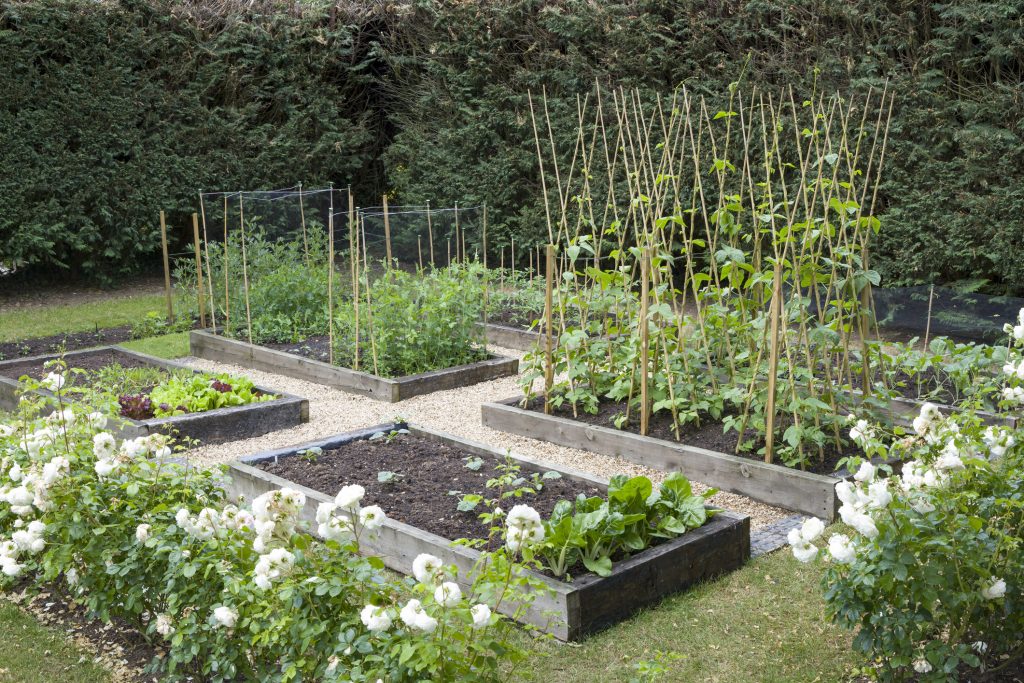
Consider raised beds for your vegetables, as you’ll have your pick of better quality soil. Dig and clear the area, ensuring you get rid of any weeds.
Try to map out how much space you have, as this will affect what you can realistically grow.
Tips:
- Think about how you can create walkways to easily access your vegetables to weed and harvest. You can have gravel or bark around the raised beds.
- Think about watering and drainage- are your patches close to a water source and do they have sufficient drainage?
- Try to think about the aesthetics too- you can create a bit of texture by vertical growing adding a trellis.
Pick your Vegetables
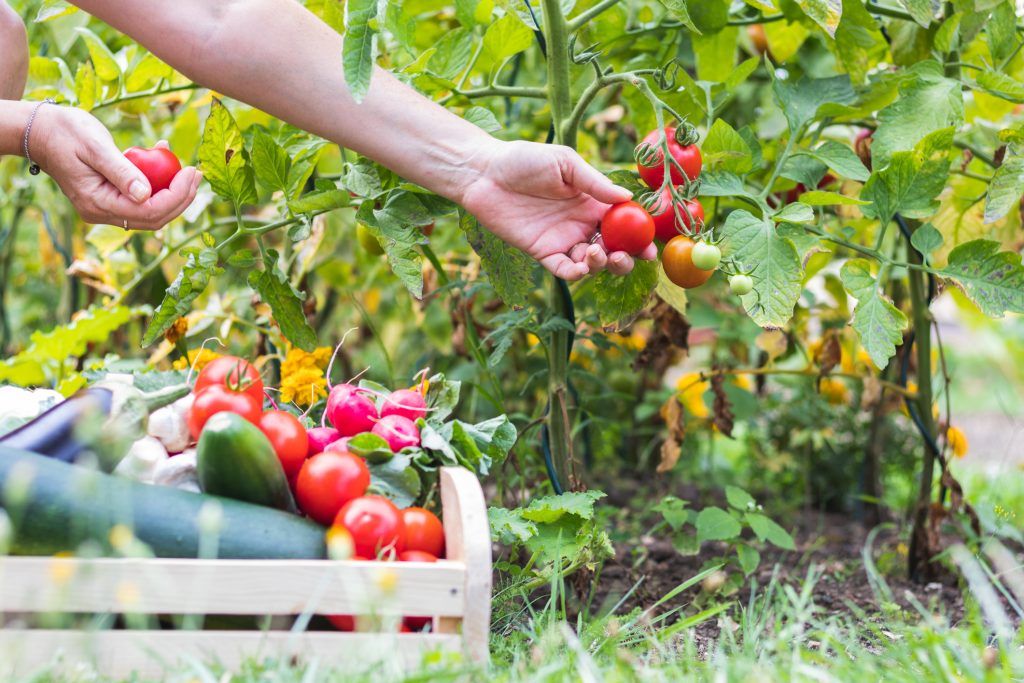
When picking your vegetables, think about what you actually like to eat, so you get the most of your kitchen garden.
You’ll also need to consider how much space you have. Some vegetables require a lot more growing room.
Vegetables that require lots of space:
- Brocolli
- Courgettes
- Brussels sprouts
- Corn
Vegetables with high yield:
- Runner beans
- Kale
- Cucumber
- Cherry tomatoes
- Radishes
- Beetroots
Vegetables for small places:
If you’re low on spaces there are some vegetables that can easily be grown in small pots and containers.
- Peppers
- Chillis
- Onions
- Shallots
- Carrots
- Spinach
- Tomatos
- Lettuce
Easy Grow fruit:
- Strawberries
- Raspberries
- Blackberries
- Figs
- Blueberries
Create your kitchen herb garden
Herbs can really enhance your kitchen garden adding depth and flavour to your recipes as well as filling your garden with fragrance.
Here’s our pick of top herbs for your kitchen herb garden:
Mint:
Perfect for summer drinks, fresh mint tea or for mint sauce for your Sunday roast lamb. Mint can be grown from seed, but it’s best to keep your mint plant self contained to prevent it spreading and taking over other plants.
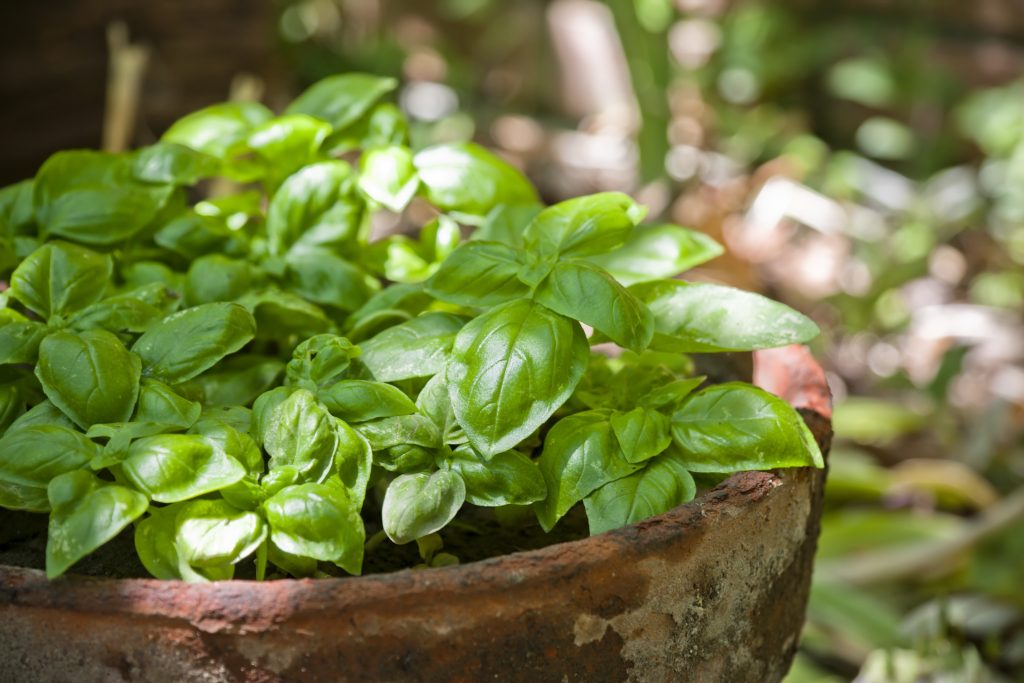
Basil:
Perfect for summer pasta dishes, basil grows quickly and loves a sunny spot. Basil is often grown as a companion plant to tomatoes as it not only deters pests but makes tomatoes taste sweeter.
Chives:
A member of the onion family, chives grow long grass like leaves. You can chop up chives fine and add to omelettes, cream cheese and sour cream for a home made dip.
Coriander:
A fragrant addition to curries and salads, the seeds are often in curry powders. Coriander is very easy and quick to grow. It can be quick to go to seed in hot weather, so try to keep it in partial shade so it doesn’t dry out.
Rosemary:
A shrub that produces needle-like leaves with blue flowers that bees seem to love! Enjoys a sunny spot and creates a lovely aroma in your kitchen herb garden.
Tips:
- Lots of herbs thrive in pots so can be placed outside of raised borders and dotted around in terracotta pots.
- You’ll need to regularly prune herbs like basil to prevent them from flowering too quickly
Here’s the content in that format:
Master Seasonal Kitchen Gardening
Creating your kitchen garden involves getting the timing right with your planting and harvesting. Some vegetable plants need warm weather to thrive, so you’ll need to make sure seeds are sowed at the right time of year.
Spring (March – May)
What to sow:
Tomatoes (indoors)
Sow — March–April
Harvest — July–September
Lettuce
Sow — from March
Harvest — 6–8 weeks after sowing
Carrots
Sow — from March
Harvest — June–November
Potatoes
Sow — March–April
Harvest — June–September
Basil (indoors)
Sow — March–May
Harvest — June–September
Mint
Sow — Spring
Harvest — Continuous
Coriander
Sow — from March
Harvest — 4–8 weeks after sowing
Thyme
Sow — Spring
Harvest — All year round (mild climate)
Strawberries
Sow — March–April
Harvest — June–July
☀️ Summer (June – August)
What to sow:
Lettuce
Sow — through to August
Harvest — 6–8 weeks after sowing
Coriander
Sow — through to September
Harvest — 4–8 weeks after sowing
🍂 Autumn (September – November)
What to sow:
Blueberries
Sow — Late autumn–early spring
Harvest — July–September
Raspberries
Sow — Autumn–early spring
Harvest — Summer–Autumn
Tips:
- Understand your climate- some plants may need be sown indoors before being moved outdoors
- Keep a gardening calendar
Perfect water scheduling and drainage
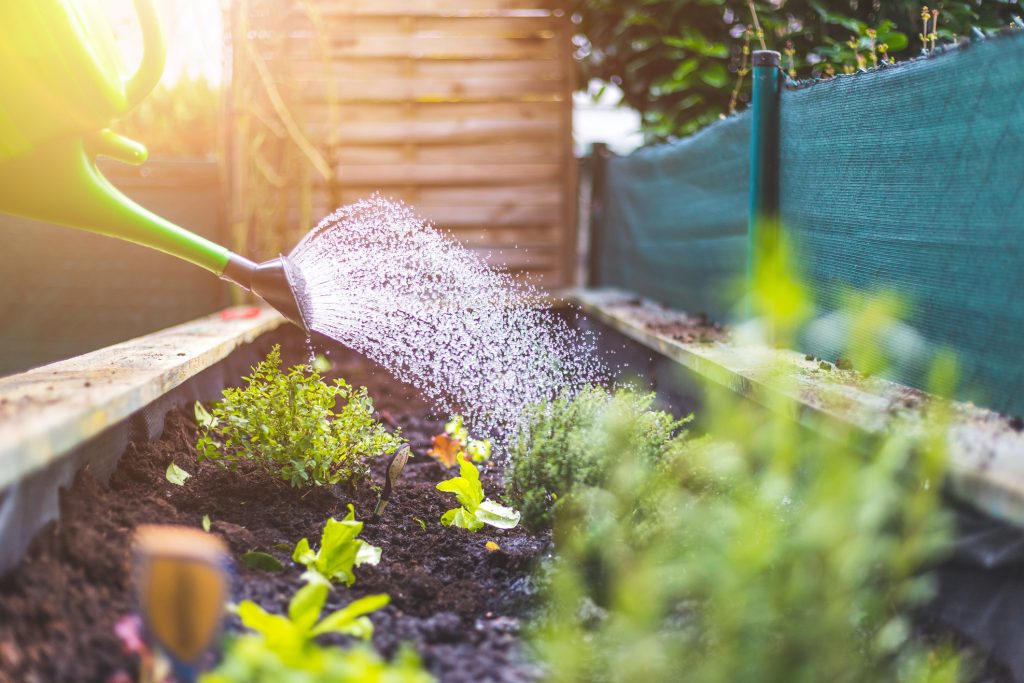
Vegetable plants need consistent watering to thrive and need sufficient drainage to avoid pests.
- Plants in containers might need more frequent watering as there is less soil to absorb moisture
- Sandy soil- crops need more frequent watering and usually every day in the height of summer
- Clay soil needs less watering as it can be prone to waterlogging- organic matter can help this
- Many veggies need extra watering when fruiting
- Overwatering can lead to unwanted pests or diseases
- The morning is the best time to water as this ensures water is fully absorbed in the roots and soil
Thirsty crops
- Beans
- Beetroot
- Carrots
- Cucumbers
- Peas
- Peppers
- Squash
Make sure that you water plants thoroughly as just sprinkling the top will create shallow roots which will mean they’ll need watering more often! A thorough watering will penetrate the soil’s surface so that your plants are properly nourished.
More tips to consider
- Start small- grow 3-5 veggies to start with
- Choose the right spot with lots of sunlight
- Don’t be afraid to use containers if space is tight
- Focus on soil health as this will help your veggies thrive
- Water consistently and consider auto irrigation systems if you’re low on time
- Consider companion planting- for example marigolds can can attract pollinators
- Make sure don’t to overcrowd plants as this can encourage pests
Growing your own vegetables can be a really rewarding experience. At Wilde spaces we can help you with garden maintenance and with vegetable garden planning.
Whether you’re starting a new garden or expanding an existing one, we design bespoke edible gardens that thrive within Cornwall’s unique environment and ecosystem, supporting sustainable living all year round.
Contact us to start your kitchen garden journey today!
