Get your garden summer ready with our maintenance packages!
5.0 Rated


Each garden is designed to perform well over time, with a focus on simplicity, function and quality.
We offer full garden design services tailored to Cornish landscapes. From small plots to larger gardens, we design spaces that are practical, sustainable and well planned. We work with the conditions of the site using only traditional hand tools and eco-friendly gardening methods.
Our garden designers provide everything from full layout planning and planting schemes, to implementation and after care garden maintenance. We bring a clear and grounded approach to every project we handle.
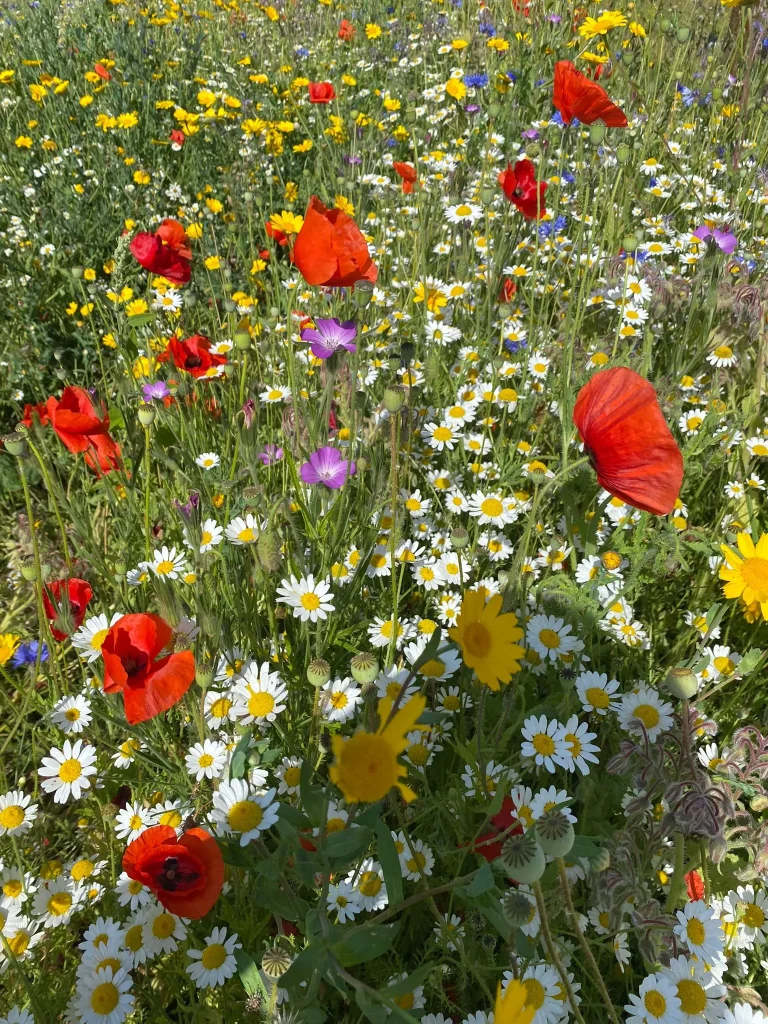
A wildflower garden design can completely transform your outdoor space, creating a natural and low-maintenance garden that supports biodiversity.

A well-designed outdoor living space lets you enjoy your garden all year round. Crafted with care and creativity, we bring beautiful bespoke garden designs to life across Cornwall.

Ornamental gardens do more than just look good. They offer seasonal colour, and add long term value to your outdoor space.
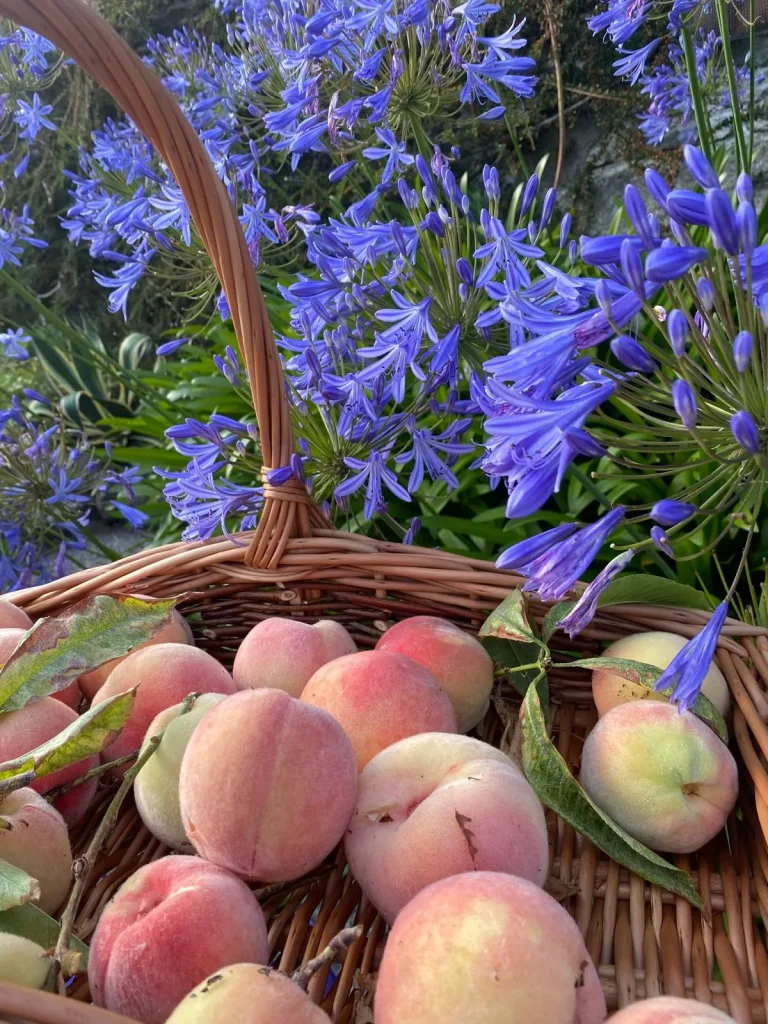
A well built kitchen garden gives you the opportunity to grow fresh, seasonal produce right outside your home. Our garden design services offer practical kitchen gardens.

Regular shaping and cutting to keep hedges looking sharp and healthy, enhancing structure and privacy in your garden.

Regular shaping and cutting to keep hedges looking sharp and healthy, enhancing structure and privacy in your garden.
Regular shaping and cutting to keep hedges looking sharp and healthy, enhancing structure and privacy in your garden.
Posted on Google
Get Your Free Quote
We offer full garden design services tailored to Cornish landscapes.
The garden design process typically takes between 4 to 8 weeks from the initial consultation to the final approved design, depending on the complexity and scale of the garden. Smaller or simpler designs can be completed faster, while larger or more detailed projects may require more time. The timeline includes consultations, site surveys, concept development, revisions, and final plans. If the design includes additional features such as structural elements or planting plans, we will factor those into the schedule during our early discussions.
Garden design costs depend on a number of factors, including the scale of the garden, the detail involved, and the type of services required. Some gardens may need only a basic concept design, while others require full planting schemes, structural layouts, and more involved consultation. We offer guidance tailored to your space and will outline your options during the initial consultation. The most important thing is that your design reflects your needs, your budget and the way you want to use the garden.
You do not need to do much before we begin, but it can help to think about how you want to use the space. Consider whether your focus is on growing food, creating a place to relax, supporting wildlife, or all of these. During our visit, we will assess the garden’s layout, light, soil and any existing features. If there are any practical concerns such as drainage or access, we will take those into account. Any inspiration, photos or ideas you bring to the conversation are always welcome.
Yes. Once your garden has been installed, we can continue to care for it through our regular maintenance services. This might include seasonal pruning, soil care, planting and other general upkeep to ensure the space matures as intended. We offer flexible options depending on the size of your garden and how much support you need. Ongoing care is important for both practical gardens and decorative planting schemes, so we’re here to help you keep everything healthy and well managed.
Yes, we specialise in designing gardens that benefit both people and nature. By selecting plants that attract bees, butterflies and birds, and by using sustainable methods, we create spaces that support biodiversity. This could include planting wildflower areas, using natural materials, or creating habitats like ponds and sheltered corners. These choices help your garden thrive in a way that works with the environment, rather than against it.